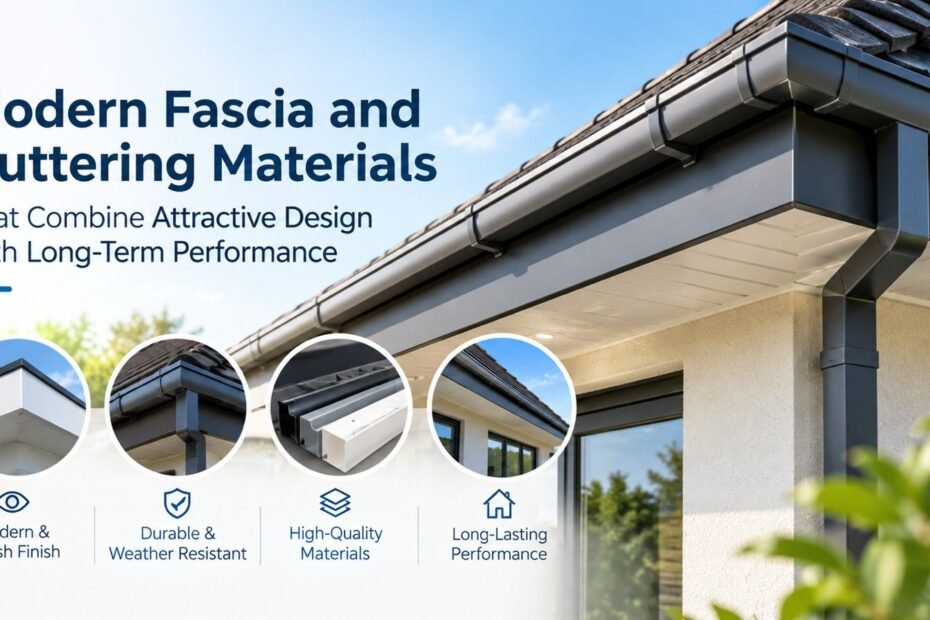
A roofline is easy to overlook when planning home improvements. Most people notice the front door, windows, or fresh paint first, yet the boards and channels running beneath the roof can change how the entire building looks. Worn edges and stained fittings draw attention for all the wrong reasons. By contrast, carefully chosen new fascias and guttering can give a home a crisp, finished appearance while helping rainwater travel safely away. The interesting part is how many choices are available now. Materials, profiles, colours, and surface finishes can be matched to everything from a traditional cottage to a modern extension. Getting that combination right means thinking beyond what looks appealing in a catalogue.
uPVC Offers a Practical, Clean Finish
For homeowners who would rather spend weekends enjoying their property than repainting the roofline, uPVC is worth considering. It is widely used because it resists rot, does not need routine painting, and usually cleans up with a gentle wash. White remains familiar, but grey, black, and wood-effect finishes offer more freedom than people sometimes expect. A smooth, consistent edge can make older brickwork look surprisingly fresh.
However, not every uPVC product is built to the same standard. Board thickness, colour stability, manufacturer guidance, and suitable fixings all deserve attention. Darker surfaces can become particularly warm in direct sunlight, so correct allowances for expansion matter. A knowledgeable installer will also check whether the underlying timber needs repair instead of simply covering it and hoping for the best.
Aluminium Creates a More Defined Look
Aluminium appeals to those who prefer neat lines and a slightly more architectural finish. It works especially well on contemporary homes, where slim-looking gutters and carefully selected colours can complement large windows or metal-framed doors. Powder-coated finishes offer an attractive range of options, from understated neutrals to stronger shades that pick up another feature of the building.
This material is lightweight, durable, and resistant to rust, although coatings and joints still need appropriate care. It generally costs more than basic uPVC, and installation details can influence the final price. That higher initial investment may appeal to homeowners who value a refined finish and expect to remain in their property for years. The real comparison should include upkeep, appearance, and the suitability of the system, not just the price on the quotation.
Traditional Timber Has Its Own Appeal
Not every property benefits from a thoroughly modern-looking roofline. On period houses, painted timber fascias can retain the familiar proportions and character that make the exterior appealing. Their appearance can also be adjusted over time with a new paint colour, which is useful when other features of the home change. Properly specified timber has an authenticity that some homeowners simply prefer.
The trade-off is maintenance. Water entering damaged paintwork can eventually encourage decay, and neglected joints may need more than a quick touch-up. Good preparation, protective coatings, suitable detailing, and periodic inspection are essential. For listed buildings or properties in conservation areas, it is also sensible to check whether restrictions affect replacement materials or visible alterations before ordering anything.
Profiles and Colours Make a Visible Difference
Material is only part of the design decision. The shape of the gutter can subtly change a home’s personality. Rounded, half-round sections often sit comfortably on traditional houses, while square or more angular profiles can reinforce a contemporary style. Fascia depth and the way corners are finished influence the result too. A detail that seems tiny at ground level can look much more prominent once it runs across the entire roof.
Colour deserves the same thought. White can brighten a shaded elevation; charcoal may coordinate beautifully with dark window frames. Matching every element is not always necessary, though. A contrasting finish can highlight a roofline without overwhelming the brickwork. Before committing, ask to see real samples outdoors, because daylight can make a colour look very different from its appearance on a screen.
Good Installation Is Part of Good Design
Even premium materials can disappoint when fitted badly. Gutters need the correct fall towards outlets, adequate support, and connections suited to the chosen system. Otherwise, rainwater may collect, spill over an edge, or find its way behind the fascia. The effect is more than cosmetic. Persistent moisture can damage nearby surfaces and undermine the very improvement the work was meant to provide.
There is also the condition of what sits behind the visible boards. Removing deteriorated components gives an installer the chance to inspect exposed roof timbers and identify repairs before finishing the job. Soffits and ventilation should be considered at the same time, particularly where changes could restrict airflow into the roof space. The aim is a complete, properly functioning edge, not merely a smart-looking strip beneath the tiles.
Think About Maintenance Before Choosing
A roofline is exposed to whatever the weather brings, year after year. Even low-maintenance systems benefit from occasional checks, especially after heavy storms or when nearby trees shed leaves. Blocked outlets, loose brackets, damaged seals, and overflowing corners are easier to address before they cause staining or water damage. Keeping drainage paths clear is part of protecting the investment.
Different finishes call for different routines. uPVC generally needs washing rather than repainting. Powder-coated aluminium should be cleaned using products compatible with its coating. Timber requires more frequent attention to paint and joints. These are not reasons to avoid a particular material. They are practical considerations that help homeowners select a system they will feel comfortable looking after.
Choose the Right Result, Not Just the Cheapest Quote
Before agreeing to replacement work, ask what the proposed system includes. Are the existing boards being removed? How will hidden damage be handled? What gutter profile and outlet capacity are suitable for the roof? Will the finish match the samples, and what warranties apply to materials and workmanship? Straightforward answers to questions like these are a useful sign of care. A written quote should also clarify access arrangements, waste removal, and how unexpected repairs will be priced.
A reliable specialist should be willing to discuss appearance alongside drainage performance, explain the differences between products, and provide a clear written quotation. It is worth asking to see photographs of completed projects on similar properties. Choosing carefully now can mean fewer frustrating surprises later, and a roofline that looks considered rather than merely replaced. The nicest result is one that still feels like the right choice long after the scaffolding has gone.

Leave a Reply