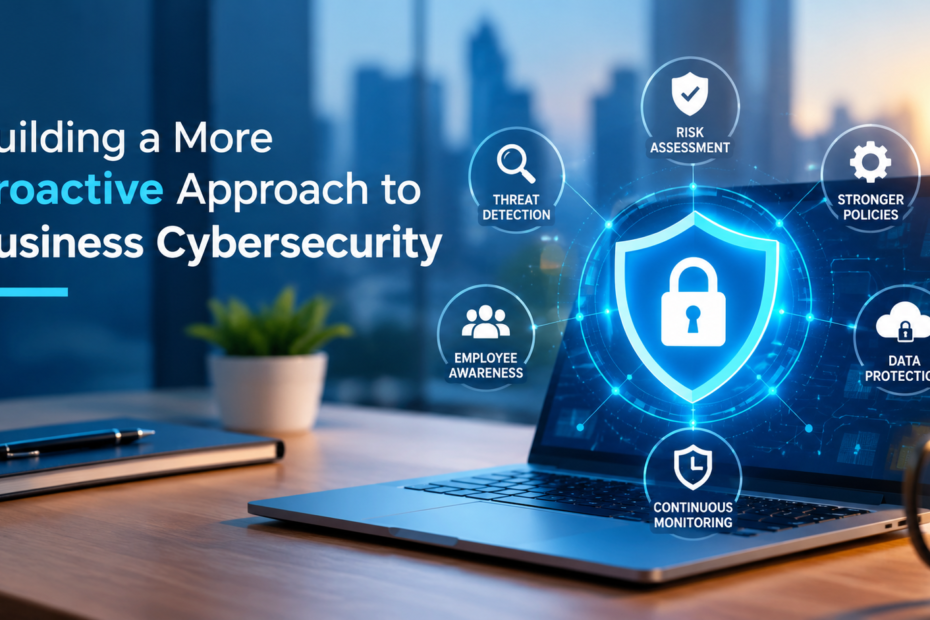
Cybersecurity threats rarely stand still. As businesses adopt new technology, expand their digital operations, and store growing volumes of sensitive information, attackers continue to look for new ways to exploit weaknesses.
For businesses, this means relying on basic security measures or reacting only after an incident occurs may no longer be enough. A more proactive cybersecurity strategy focuses on identifying vulnerabilities, monitoring potential threats, and preparing for incidents before they cause serious disruption.
Where are the Biggest Risks?
A proactive approach starts with understanding what needs to be protected. Businesses can assess their networks, devices, applications, and cloud environments to identify potential weaknesses and determine where sensitive information is stored.
Regular risk assessments can also help organizations prioritize their resources. Rather than treating every potential vulnerability as equally urgent, teams can focus first on issues that could have the greatest impact on operations, customers, or confidential data. This process should be repeated as the business changes. New software, employees, suppliers, and systems can all introduce additional risks.
Improve Threat Detection
Preventing every cyberattack is unrealistic, which makes early detection an important part of cybersecurity planning. Businesses need visibility across their digital environments, so suspicious behavior can be identified quickly. Continuous monitoring can help teams spot unusual login attempts, unexpected changes to files, abnormal network activity, and other possible warning signs. For organizations that do not have the internal resources to maintain this level of monitoring, solutions such as managed detection and response can provide additional support for identifying and responding to potential threats. The earlier suspicious activity is investigated, the greater the opportunity to contain a threat before it develops into a larger incident.
Make Employees Part of the Strategy
Technology is only one part of business cybersecurity. Employees interact with email, applications, files, and company systems every day, making security awareness essential. Regular training can help staff recognize phishing emails, suspicious links, social engineering attempts, and unsafe requests for sensitive information. Training should also explain how employees should report something unusual.
Creating straightforward reporting procedures can make a significant difference. Employees should know exactly who to contact and what to do if they accidentally click a suspicious link, lose a device, or notice unexpected account activity.
Prepare for Cybersecurity Incidents
Proactive cybersecurity also means accepting that an incident could still happen. An incident response plan gives businesses a structured process to follow if systems or data are compromised. The plan should establish responsibilities, communication procedures, and steps for containing and investigating an incident. Businesses should also test the plan periodically rather than waiting for a real attack to discover whether it works.
Backups are equally important. Critical business information should be backed up regularly, with recovery procedures tested to confirm that data can actually be restored when required.
Treat Cybersecurity as an Ongoing Process
Cybersecurity is not something businesses can address once and consider complete. Technology changes, employees come and go, and new threats continually emerge. A proactive approach depends on regular reviews, updated security controls, employee education, and ongoing monitoring. If you are able to spot weaknesses and prepare for problems before they occur, you’ll strengthen your security posture while reducing the potential operational and financial impact of cyber incidents.

Leave a Reply